Circular Economy · Environmental Recovery · ESG
S.O.S. Bio
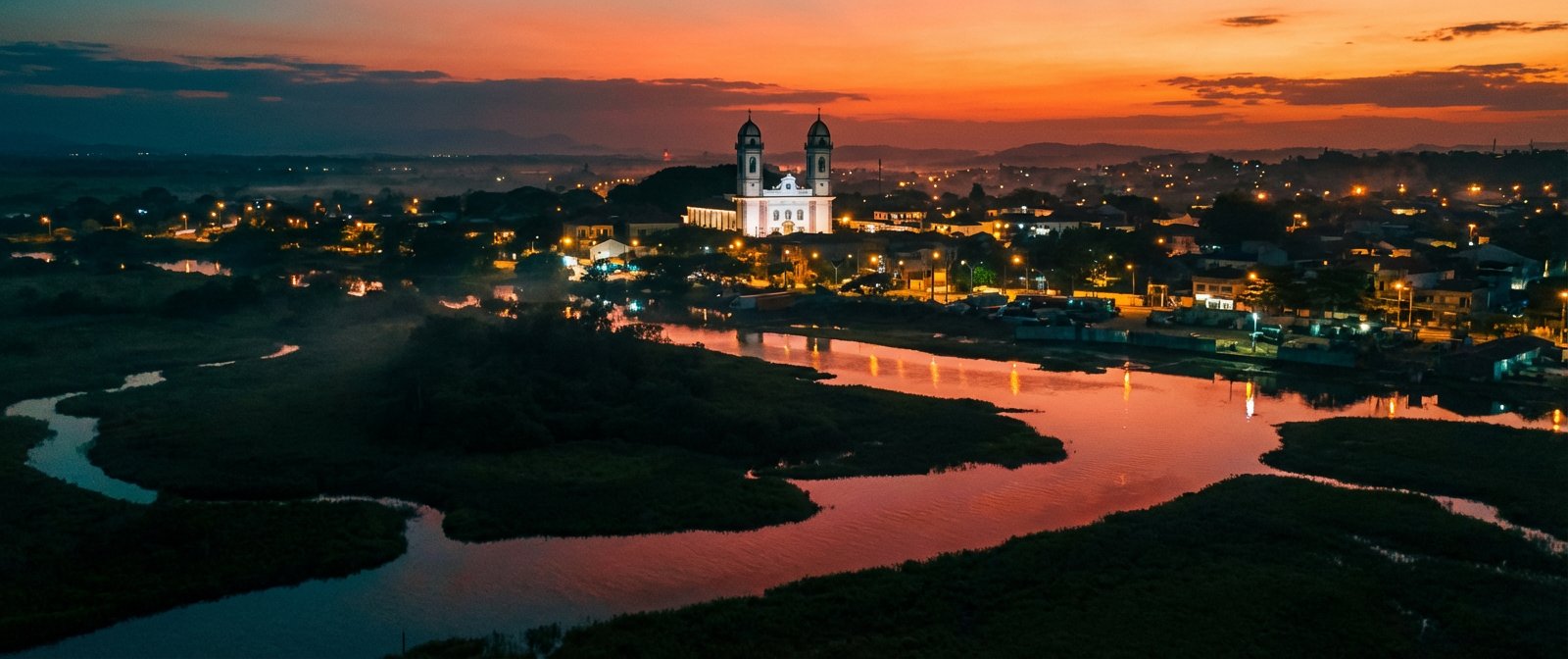
A visionary project transforming the environmental crisis of the Vale do Ribeira Estuary, on the southern coast of São Paulo, into premium organic biofertilizer for Brazilian agribusiness.
A visionary project transforming the environmental crisis of the Vale do Ribeira Estuary, on the southern coast of São Paulo, into premium organic biofertilizer for Brazilian agribusiness.
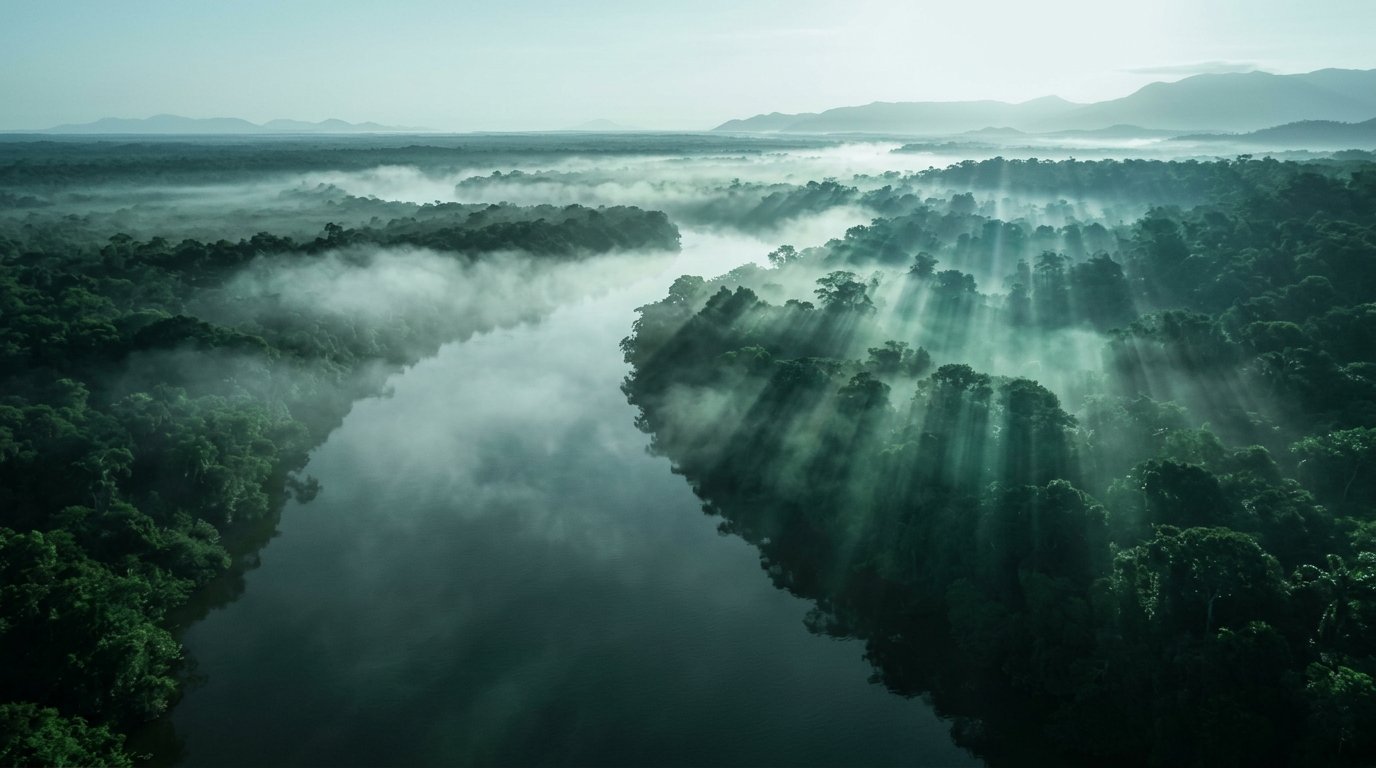
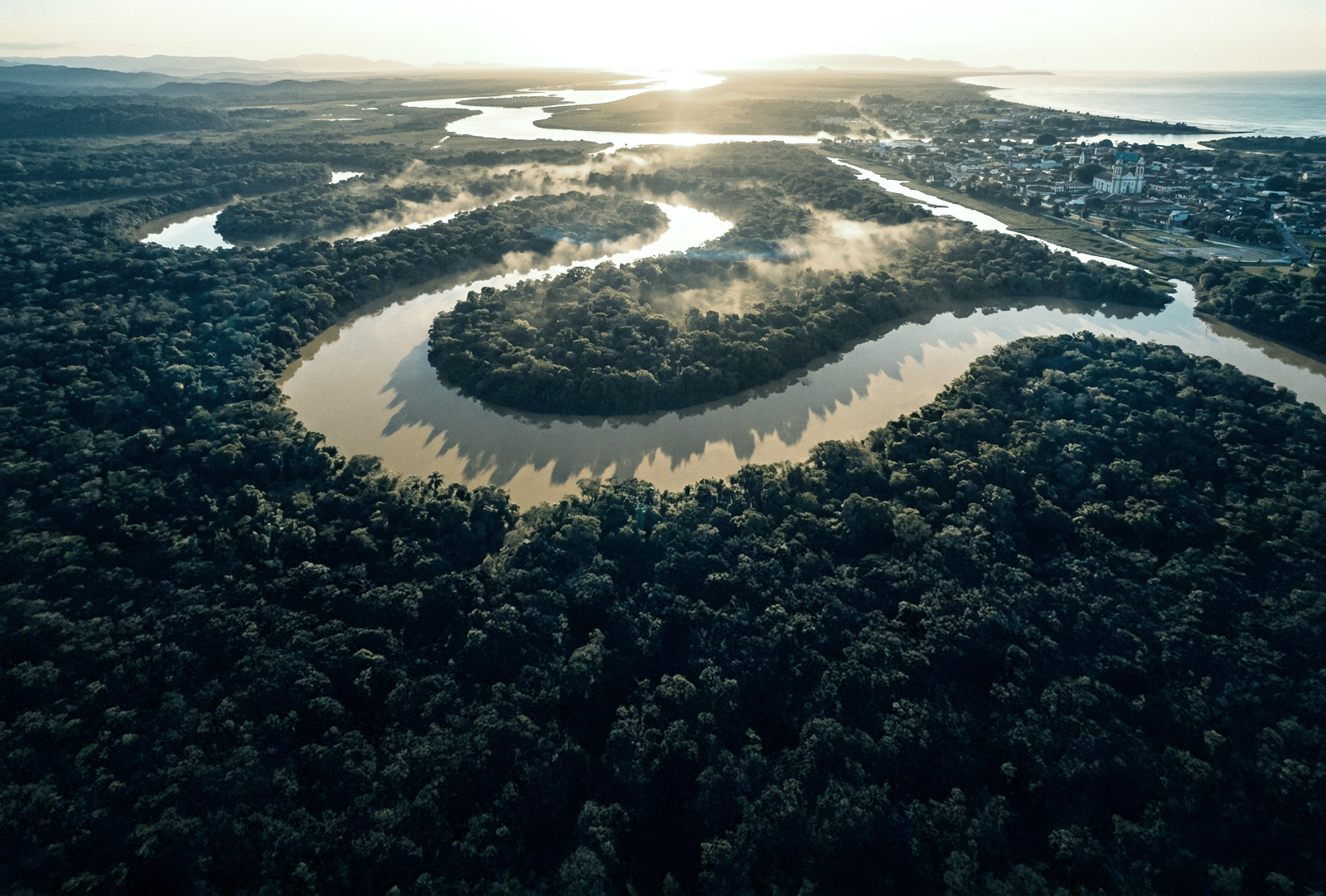
The Ribeira Valley harbors the largest continuous remnant of the Atlantic Forest in Brazil. It comprises 224 miles of rivers flowing into the Iguape-Cananéia estuarine-lagoon complex — recognized by UNESCO as a Natural World Heritage Site and Biosphere Reserve.
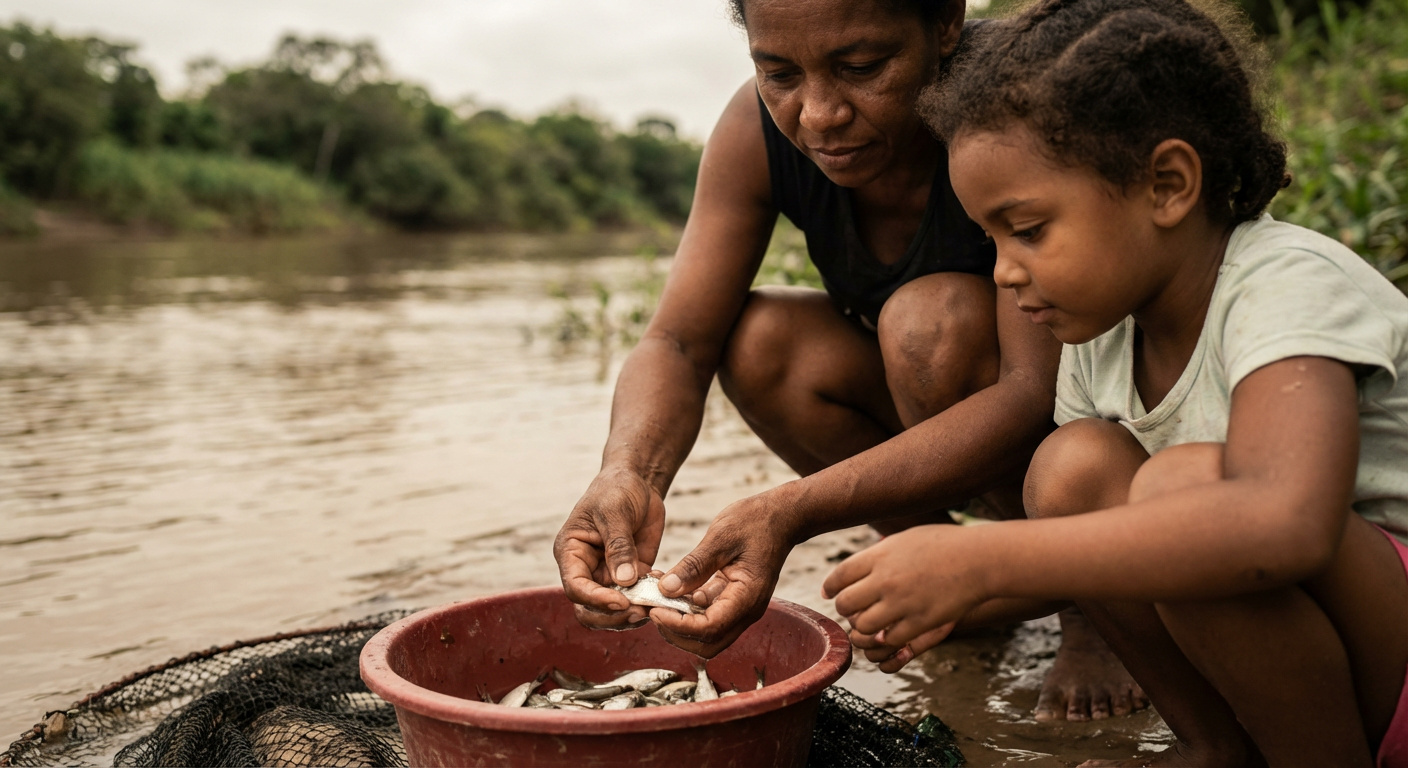
A region that is home to quilombola, caiçara and riverine communities, whose cultural identity was forged over centuries through their intimate relationship with the rivers. Artisanal fishing — especially manjuba — sustains entire generations. The rivers are life, food, pathway and identity.
Vale do Ribeira: Ribeira Valley, river basin region in southern São Paulo State, Brazil. · Mata Atlântica: Atlantic Forest, one of the world's most threatened biomes. · Remanescente: remnant — what survives of the original vegetation cover. · Quilombolas: communities descended from enslaved Africans who escaped slavery and founded their own settlements in Brazil. · Caiçaras: traditional coastal peoples of mixed Indigenous, Portuguese and African heritage.
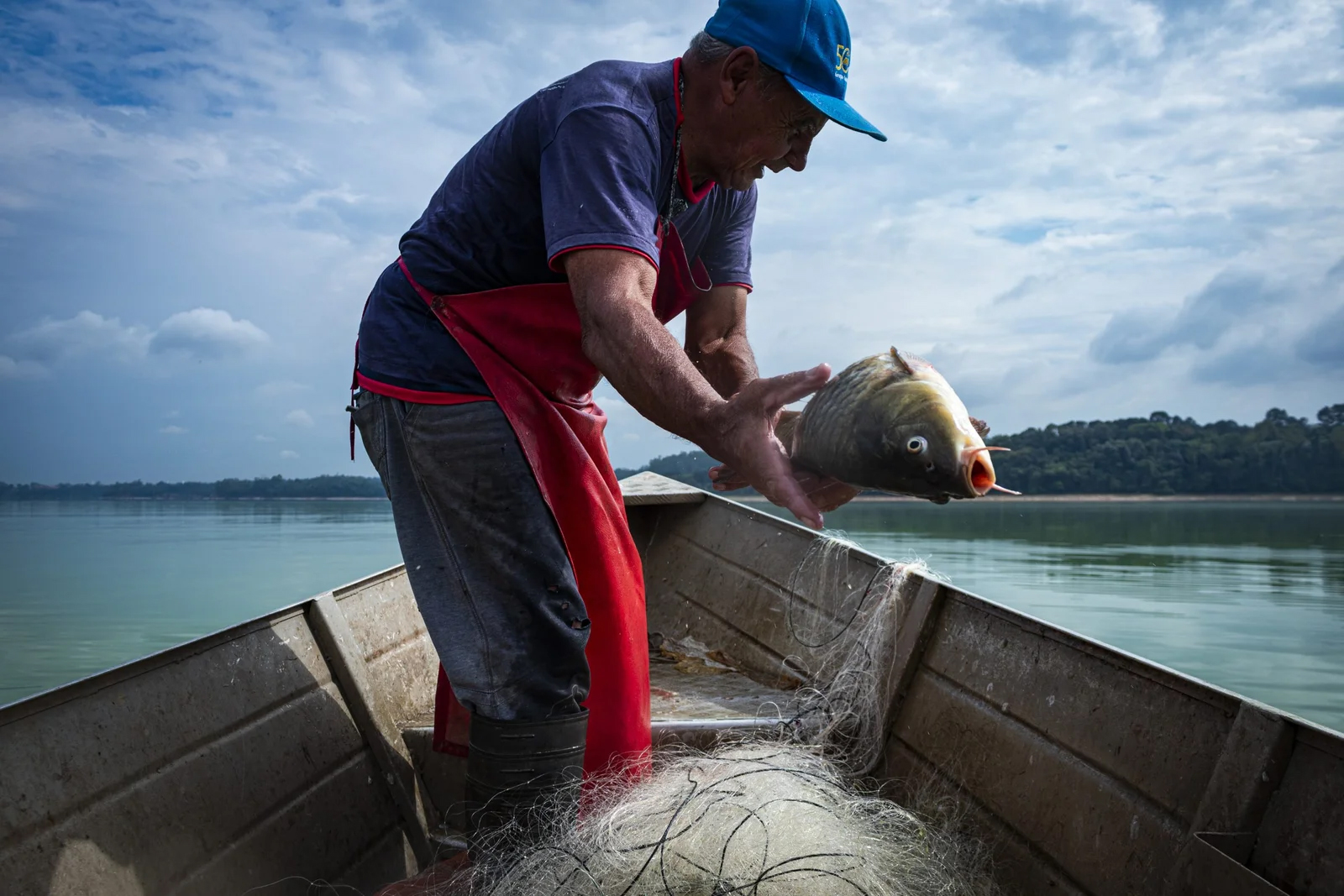
With the despair of flooding, the riverine community becomes isolated and without livelihood. The fishing area shrinks every day, compromising the subsistence of hundreds of families who depend on this activity.
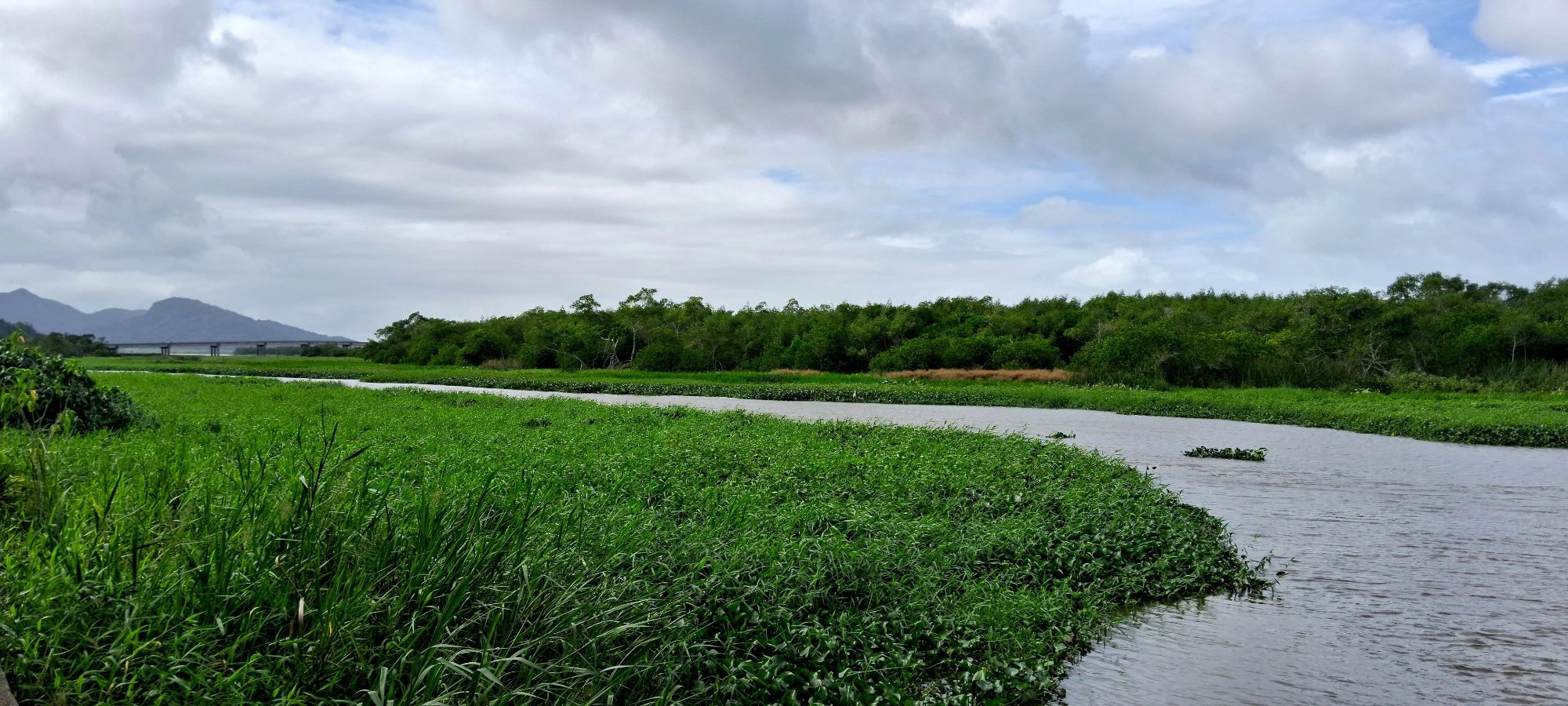
Imagine 224 miles of suffocated rivers. Covered by a dense green carpet of invasive plants. No light. No oxygen. No life. This is the devastating reality of the Iguape River Estuary.
One of Brazil's richest regions in biodiversity is dying before our eyes. Every day without action, more life is lost. More communities suffer. More greenhouse gases are emitted. The window of opportunity to save this ecosystem is closing.
Tapete verde: literally "green carpet" — total coverage of invasive macrophytes over the river surface, blocking sunlight and oxygen. · Lodo: sludge or sediment accumulated on riverbeds over decades.
Destroy crops and harm hundreds of farming families
Without sunlight and oxygen, fish and native species die
Navigation impossible across the entire region
Methane (CH₄) and CO₂ worsening the greenhouse effect
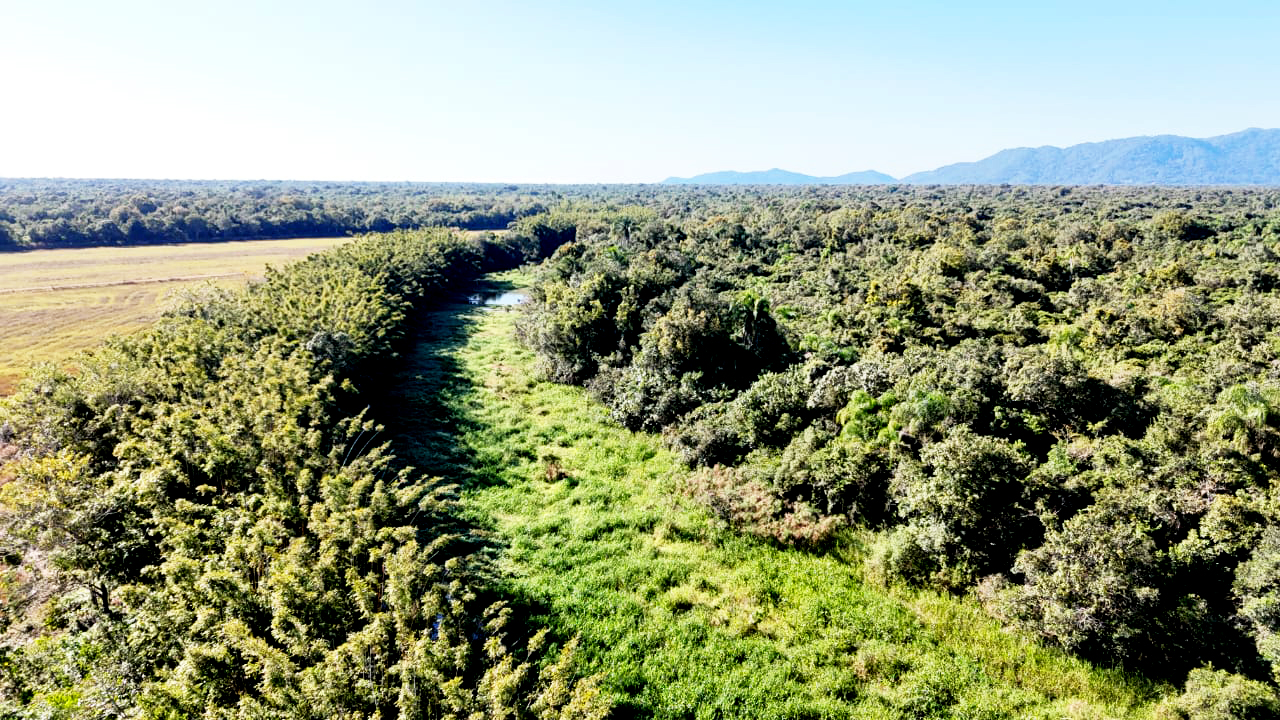
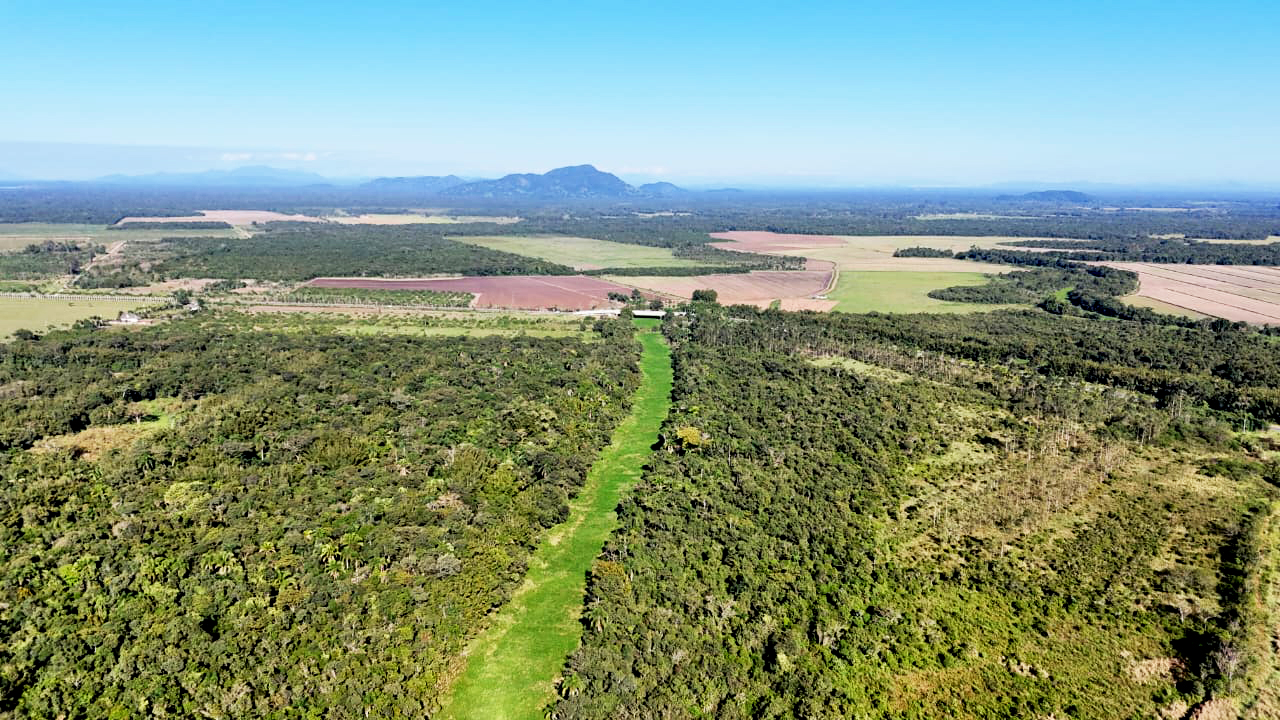
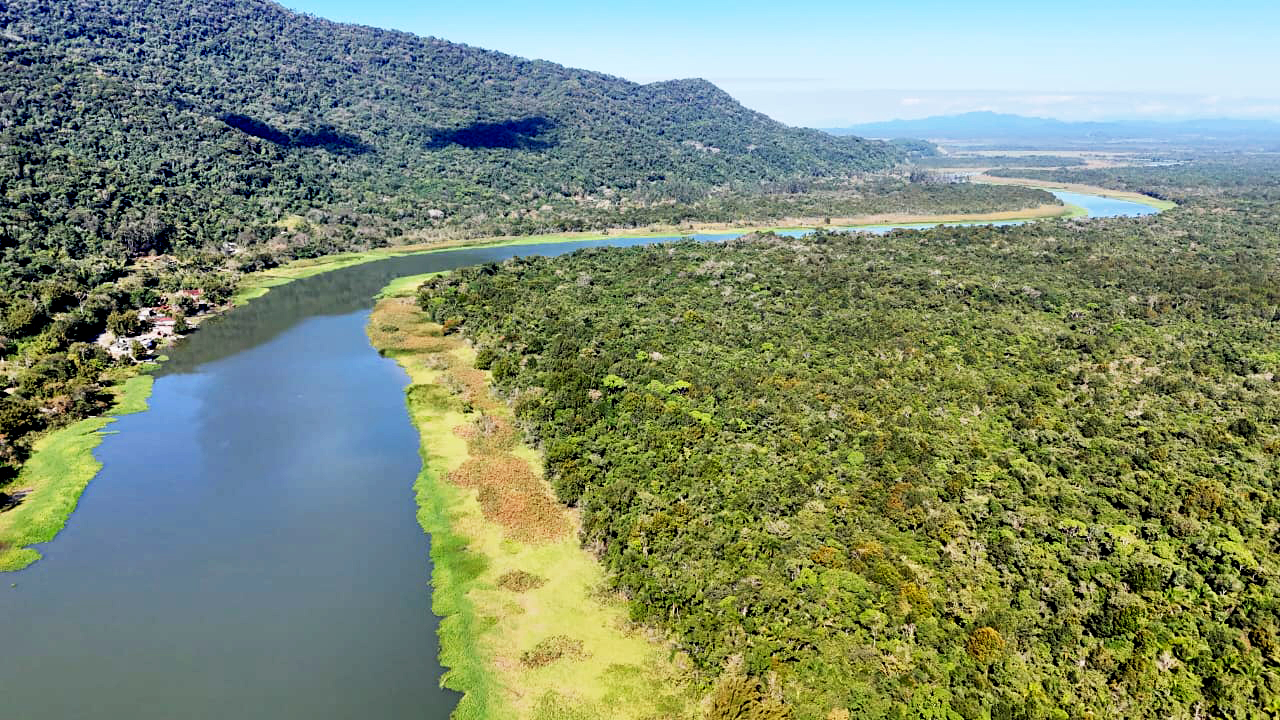
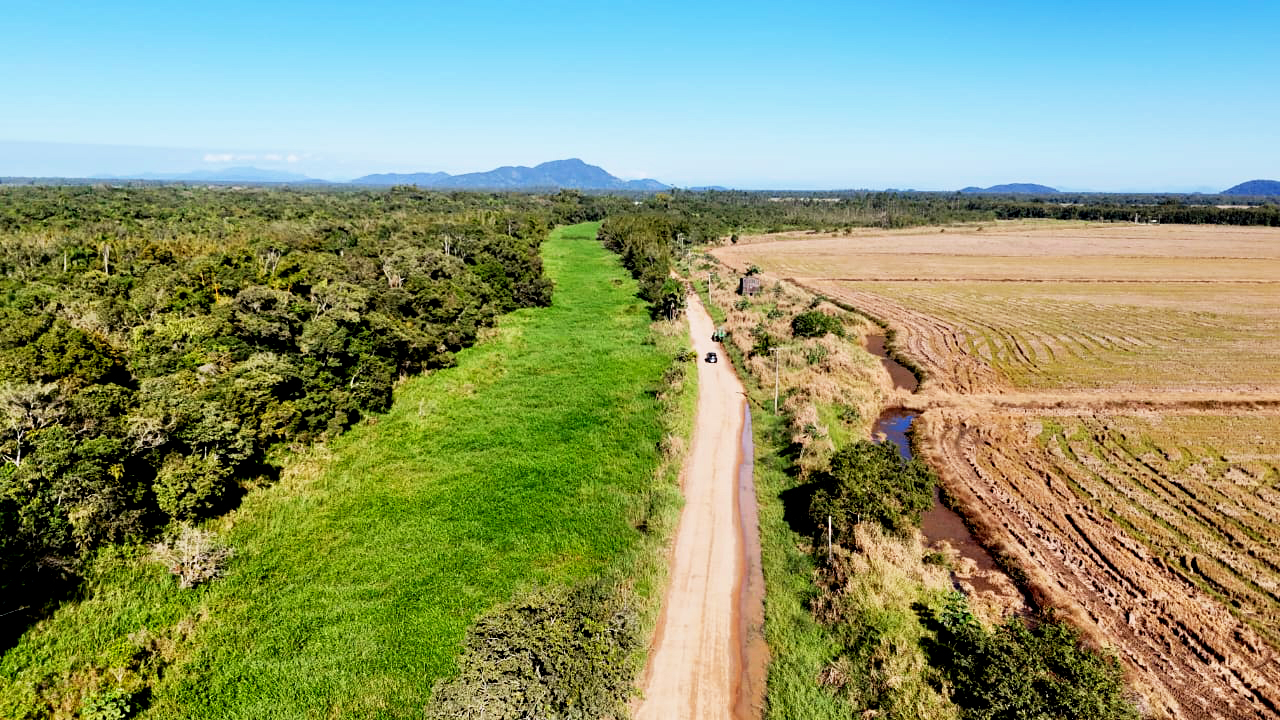
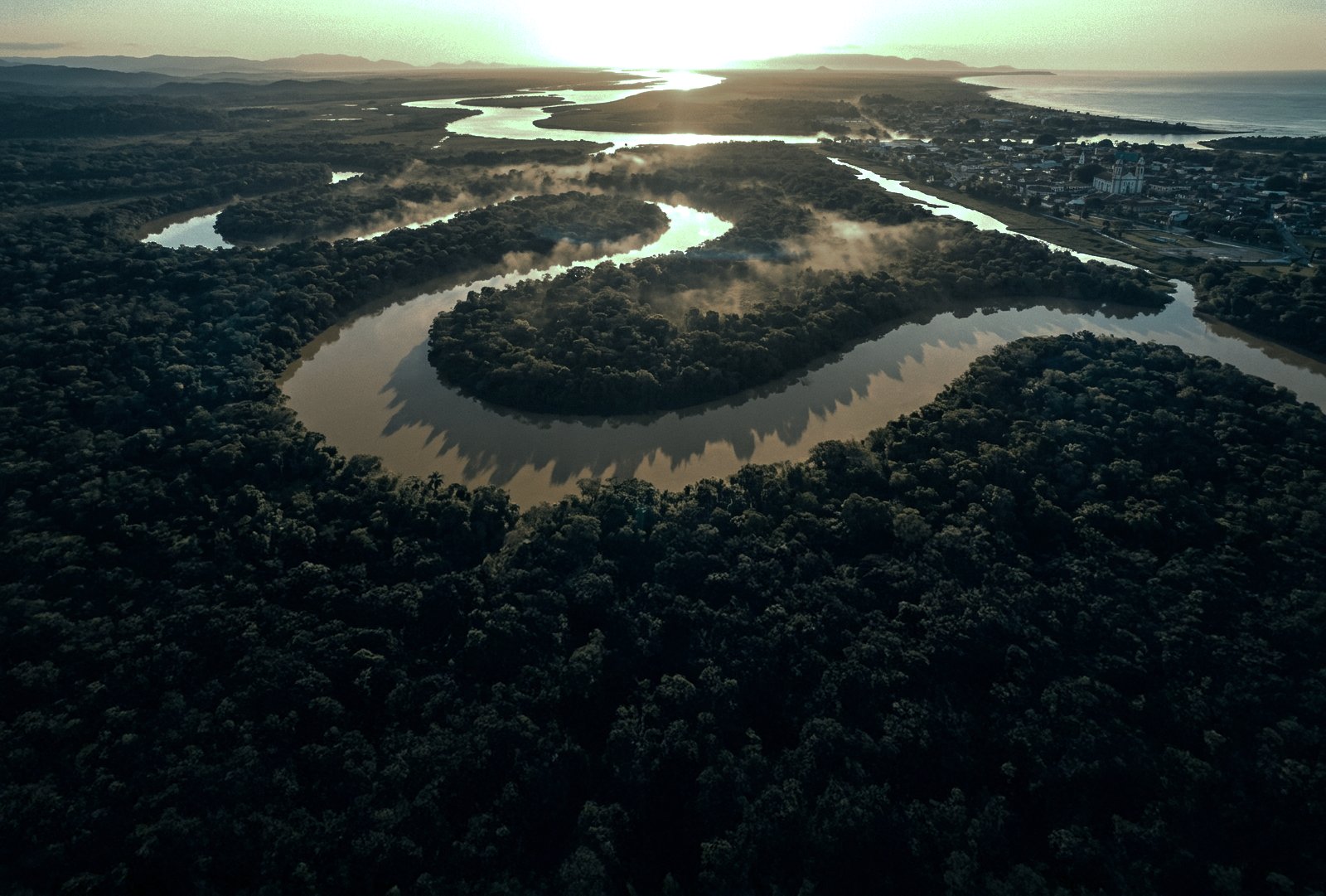
"Imagine crystal-clear rivers where there were once suffocated swamps. Fish returning to the surface. Communities navigating freely. Farmers with crops flourishing in regenerated soils."
This is the future that the SOS-Bio project will create
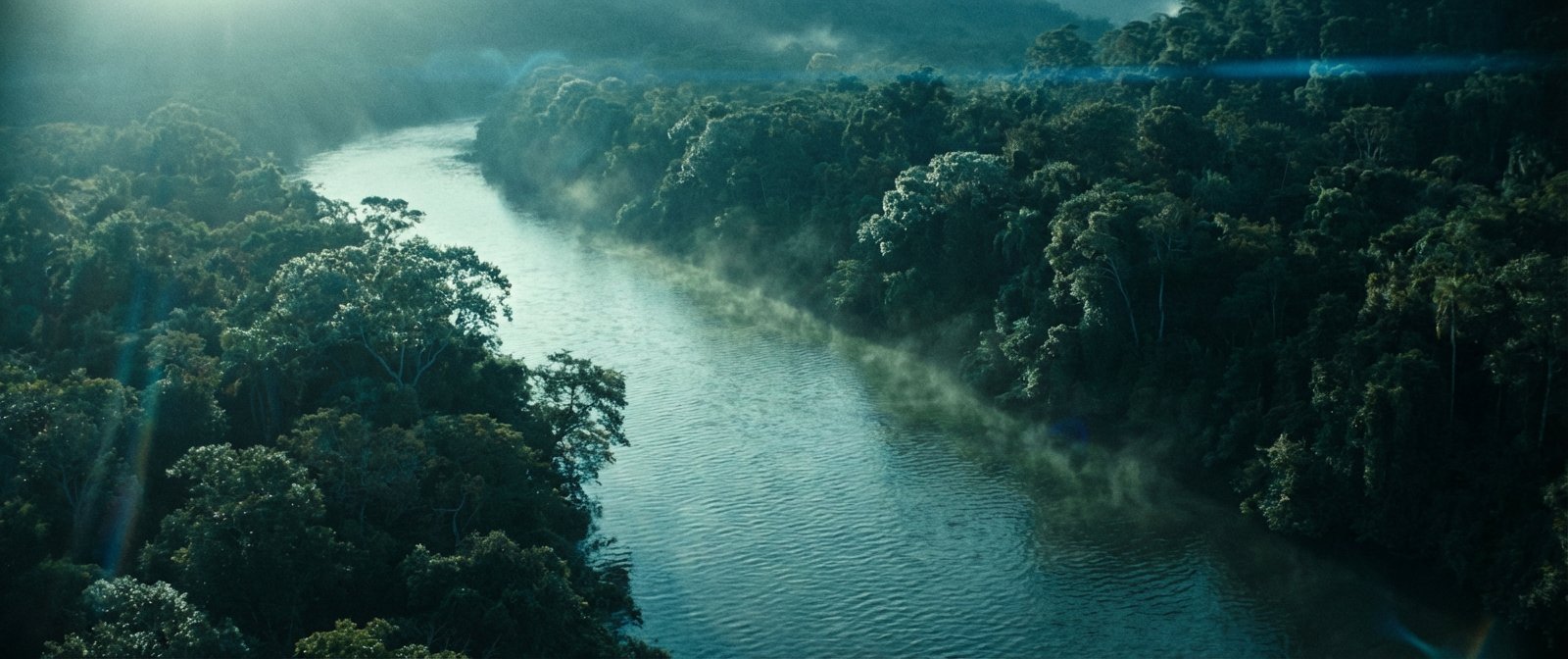
The SOS-Bio Project is not just another environmental cleanup initiative. It is a complete circular economy system that transforms an environmental liability of 25.1 million short tons into renewable wealth for Brazilian agribusiness.
We extract aquatic macrophytes and sludge from rivers — an environmentally mandatory action — and transform them into premium organic biofertilizers rich in NPK and micronutrients, with personalized agronomic consulting. The raw material is abundant, free and its removal simultaneously restores the rivers.
Proprietary technology developed over 15 years of in situ research — no equivalent in Brazil. Exclusive environmental licenses (CETESB and DAEE). Buyer market with no significant competition. Strategic partnership with UNESP for scientific validation. Sales team of 6 agronomists with post-sale support.
100t barges + cranes extract macrophytes and sludge
By river to Fazenda Pindú (741 acres)
Drying to 30% moisture + centrifuged sludge
Premium biofertilizer + agronomic consulting
Limpeza: surface cleaning of the rivers. · Desassoreamento: dredging — removal of sediment from riverbeds to restore water flow. · Validade em aberto: open-ended validity — the license carries no expiration date.
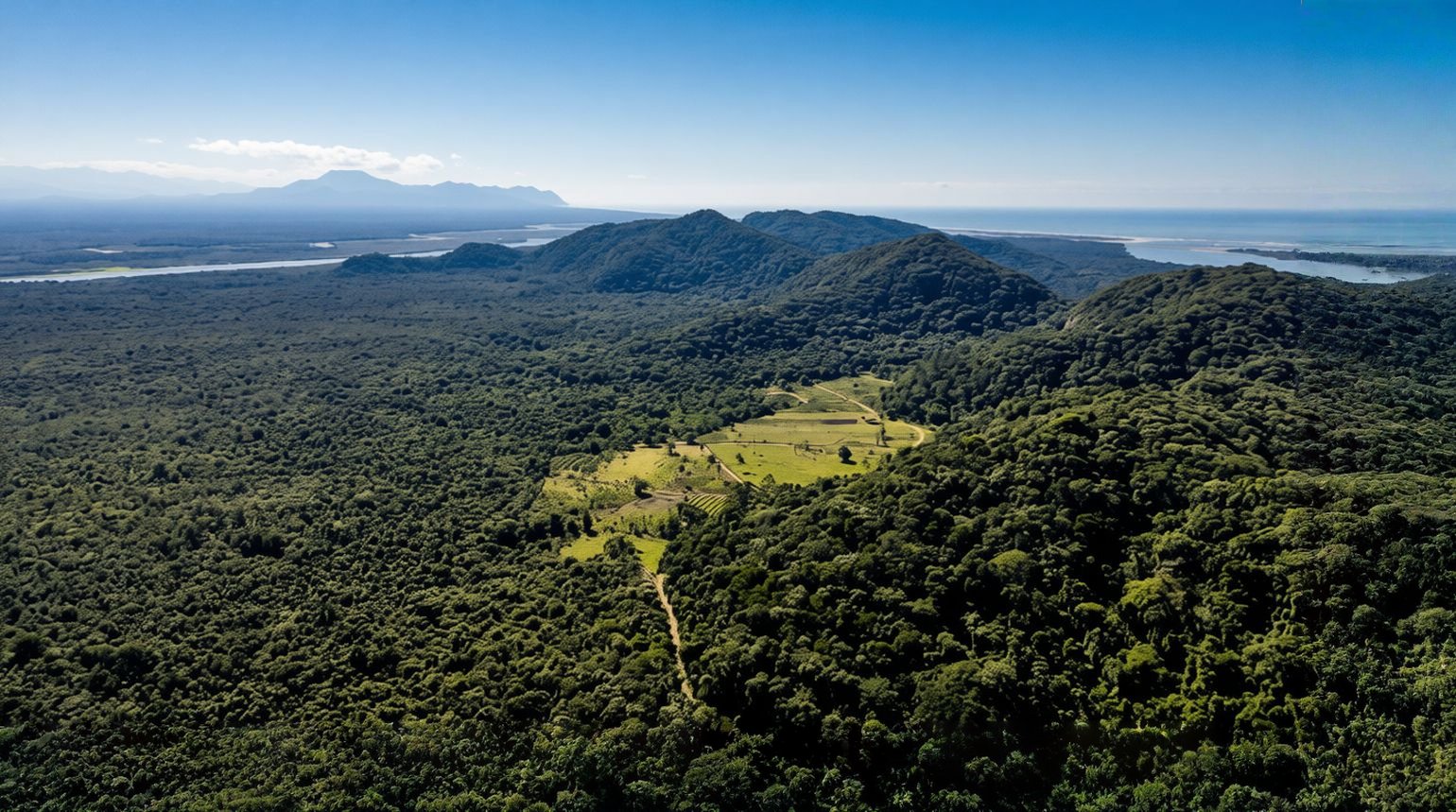
Strategically positioned at the heart of the estuary. Owned by the partners, with infrastructure ready for immediate operation. The Pindú River runs through the farm for 1.9 miles (3,100 m), 100% covered by macrophytes and sludge — already included in the licensed 17.4-mile cleanup area.
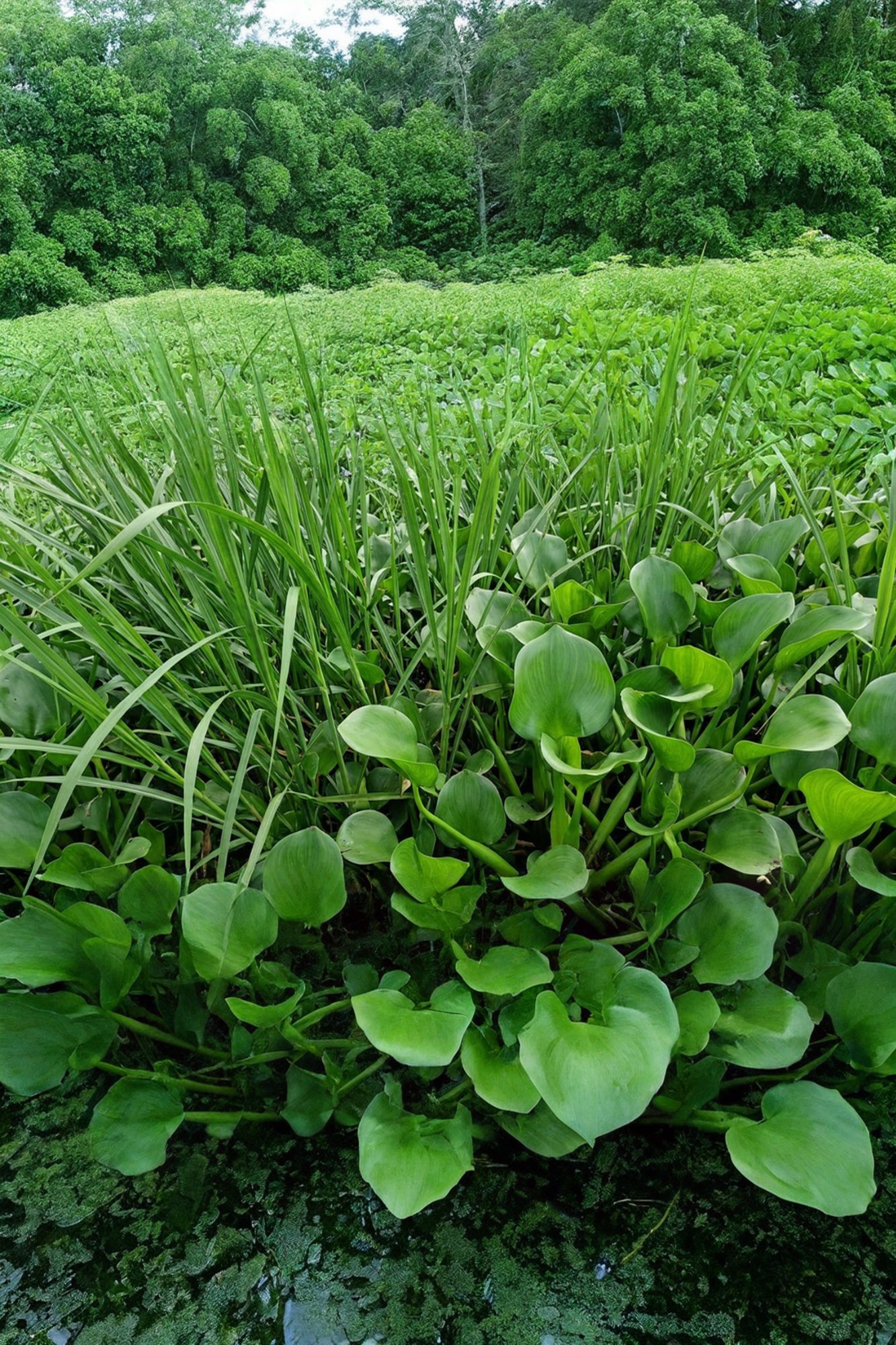
The macrophytes and sludge are clean and uncontaminated. Reports issued by the Soil Diagnostics, Plant and Vegetal Physiology Laboratory at UNESP — Registro Campus (Prof. Dr. Danilo Eduardo Rozane, CREA-SP 5060906870) confirm the nutritional richness of the material. Organic fertilizers act as biological NPK fixers, strengthen soil nutrients longer, retain moisture and improve soil workability.
Aquatic Macrophytes — UNESP Report #220216
Biomass reference
In eutrophic environments, aquatic macrophyte densities can reach 3,749 gDW/m² (grams dry weight per square meter) — monitoring data from Brazilian reservoirs. The physico-chemical characterization study conducted by VRA (Dec/2024) identified nutrient-rich sediments across 5 waterways in the estuary: Rio Pindú, Rio Pequeno, Rio Peropava, Rio Una da Aldeia, and Ilha dos Papagaios, with a protocol of 90 composite samples at 3 depths per 600m section.
PRIMARY MACRONUTRIENTS (g/kg)
SECONDARY MACRONUTRIENTS (g/kg)
MICRONUTRIENTS (mg/kg)
TECHNICAL PARAMETERS
≤30%
Moisture
15–25
C/N
35–45
C org %
alta
CTC
Riverbed Sediment — UNESP Reports #242854 / 242855
Organic matter reference
Ideal soils have O.M. of ~50 g/dm³. The estuary sediment registers 158 g/dm³ — over 3× the ideal level. Ready organic compost has a density of ~400 g/dm³ (EMBRAPA). The CEC of 189.7 mmolc/dm³ works as a fertility "bank": the higher the clay and organic matter content, the greater the capacity to retain essential nutrients (Ca, Mg, K) and reduce leaching losses.
189.7
CTC (mmolc/dm³)
Cation Exchange Capacity — the soil's ability to retain and exchange essential nutrients with plant roots
158
M.O. (g/dm³)
Organic Matter — ideal soils have ~50 g/dm³; this sediment exceeds the ideal level by 3×
FERTILITY / MACRONUTRIENTS
EXCHANGEABLE CATIONS (mmolc/dm³)
MICRONUTRIENTS (mg/dm³)
INDICATORS
23%
V (Base Sat.)
43.0
S.B.
Texture: Clay Loam (42.9% sand · 24.4% silt · 32.7% clay)
Source: UNESP Diagnose — Câmpus de Registro — Prof. Dr. Danilo Eduardo Rozane (CREA-SP 5060906870)
Macrophytes: Report #220216 (Jul/2022) · Sediments: Reports #242854 and #242855 (Dec/2024) · Rio Pindú, Iguape-SP
** Fe, pH and Al present in the sediment will be balanced during the processing and composting stage
Brazil is the world's largest buyer of fertilizers — importing 85% of what it consumes. Over 41 million tons per year at US$ 25 billion. This dependency is unsustainable and creates an unprecedented strategic opportunity for domestic organic biofertilizer production.
The biofertilizer market grows 4 times faster than conventional, driven by the new Bioinputs Law (Law 15.070/2024) — making Brazil the first country with specific bioinputs regulation. 99 million acres of degraded soils await a solution.
Investment Opportunity
Flexible investment structure — individual quotas or full operational commitment
Participation quotas at different levels or full strategic investment. Two modalities: fixed-return loan or profit sharing (equity). Structure, terms and volume upon request.
"Financial return and environmental impact go hand in hand. Every real invested has contractually defined date, term and form of return."
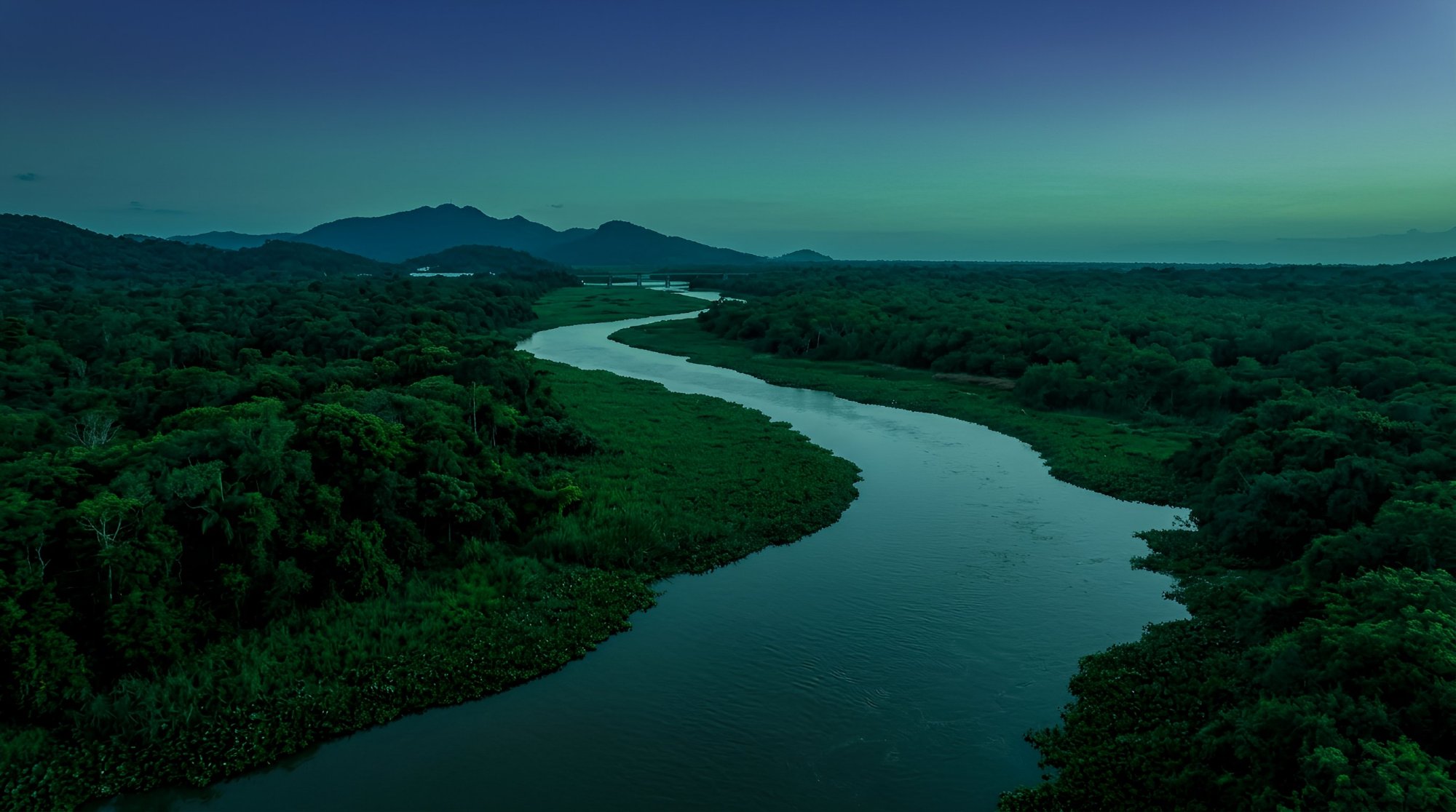
You are not just investing in a project. You are becoming part of a mission that unites purpose and profit, environmental impact and financial return.
Send a message
Direct Contact
Chief Administrative & Financial Officer
Victor Hugo Salazar
📞 +55 (13) 99102-7306 ✉ victor@sosbio.eco.brChief Operations Officer
Arnaldo A. da Rocha e Silva Jr.
✉ arnaldo@sosbio.eco.br📞 Contact via Victor Salazar
Visit Invitation
We invite you to visit the estuary personally. Navigate the rivers we are restoring, meet our team, review the technology and approved licenses.